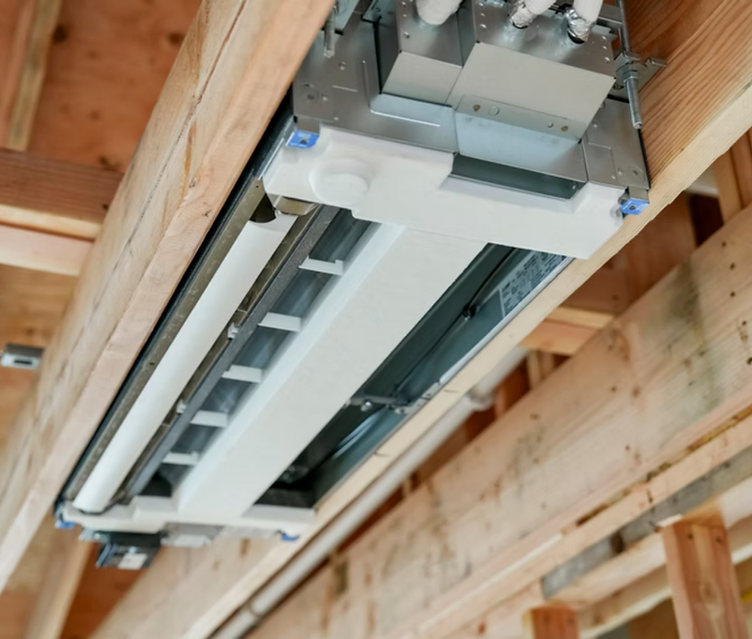
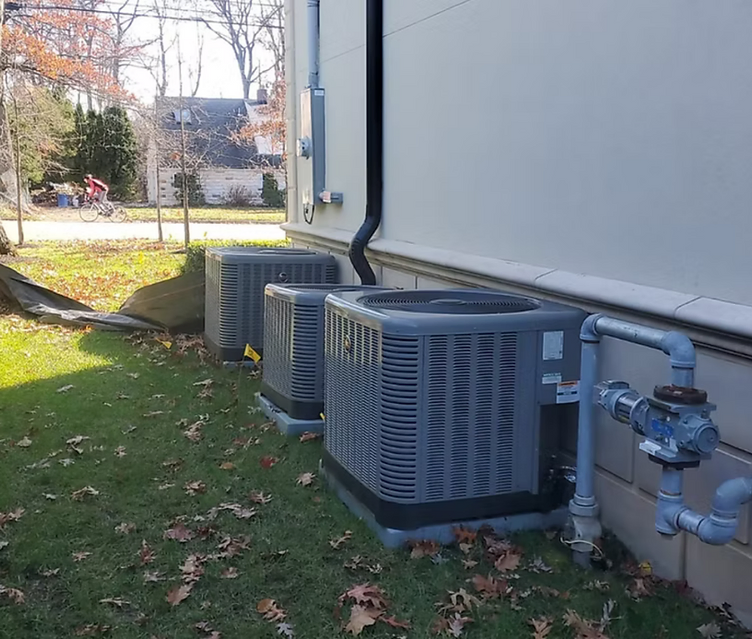
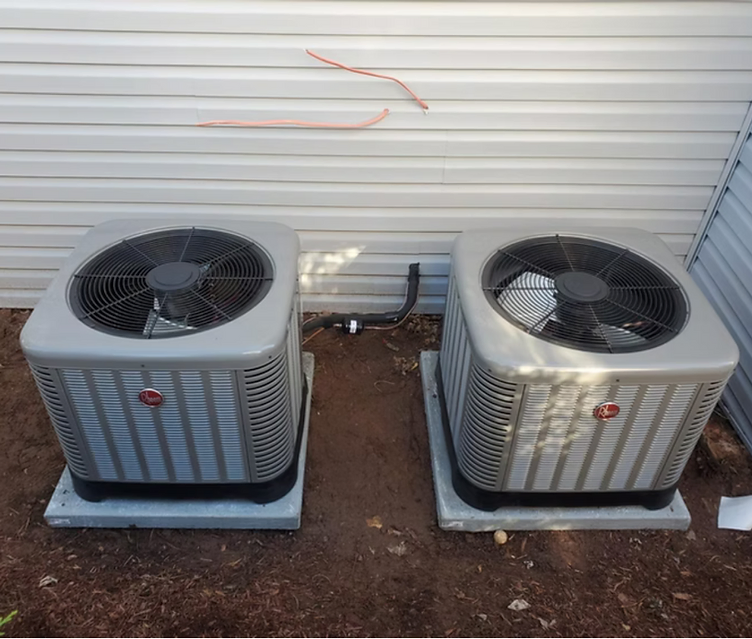
A PTAC — a packaged terminal air conditioner — is a self-contained machine that heats and cools a single room through a sleeve in the wall. Hotels, senior residences, and apartment buildings across New York run them by the dozens and hundreds, one per room, and a building that owns two hundred of them owns two hundred separate machines aging at two hundred separate rates. The management question is not whether any one unit can be repaired. It is how to read the fleet. The signals below can be judged from the room and the records, before anyone opens a panel.
Signal one: the unit’s generation
A PTAC’s nameplate dates it, and its refrigerant dates it harder. Units built on refrigerants that regulation has already retired belong to a closed chapter: the machines still run, but the industry around them is shrinking, and the newest equipment is built on a different generation of refrigerant entirely. When a fleet spans two or three refrigerant generations, its oldest tier has effectively been given an end date by forces outside the building. Age alone is a blunt measure — a fifteen-year-old unit in a lightly used room may outlive a seven-year-old unit that has run continuously — but generation is not blunt. It tells you which units the industry has already moved past.
Signal two: the sleeve, not the unit
The sleeve is the steel box in the wall that the PTAC slides into, and it routinely outlasts several units. It also fails in ways the unit gets blamed for. A corroded sleeve, a sleeve out of level, or a sleeve whose exterior seal has opened admits water, air, and street noise no matter how new the machine inside it is. A room with a history of complaints that persist across unit swaps is describing its sleeve. Fleet-wide, sleeve condition decides whether a replacement cycle is a slide-out, slide-in exercise or a wall-by-wall project, which is why the sleeves deserve their own line in the survey.
Signal three: what the room reports
PTACs are judged where they work — at arm’s reach from a bed or a desk. The room-level signals are consistent: a unit that has grown loud enough to be mentioned by name in guest or tenant feedback; a unit that cools but no longer keeps up on heating, or the reverse; a unit that trips its own protections on the hottest and coldest days, which are precisely the days it exists for; a smell of must when the fan starts, reporting a drain pan that no longer clears. One room saying these things describes a unit. A pattern of rooms saying them describes a tier of the fleet.
Signal four: the service log
A fleet with records can be read like an instrument. The units generating repeat visits cluster, almost always, by age tier and by exposure — the weather-side facade works its machines harder than the courtyard side. When the log shows the same vintage of unit producing the same faults across different rooms, the fleet has divided itself into tiers on its own, and the oldest tier has self-identified. A fleet without records cannot be read this way, which is itself the finding: the first improvement to an undocumented fleet is a spreadsheet, one row per sleeve.
From signals to sequence
Buildings that manage PTAC fleets well converge on the same practice. They replace by tier rather than by breakdown, retiring the oldest refrigerant generation floor by floor or facade by facade on a schedule the building chooses, instead of one emergency at a time on a schedule the units choose. They standardize on one current model as they go, so that spares, filters, and technician familiarity compound instead of fragmenting. And they treat the mid-life tiers with maintenance — cleaned coils, cleared drains, checked seals — because the point of reading the fleet is to spend attention where it changes the outcome.
Pacific Air HVAC services and replaces PTAC fleets in hotels, senior residences, and multifamily buildings across New York City and North Jersey, and maintains per-unit service records for the buildings it serves. The office is in Clifton, New Jersey, at (973) 210-7060, Monday through Saturday, 8AM to 5PM.